Best Foods to Eat Before Drinking: What Actually Slows Alcohol Absorption
Alex Harmon · Updated June 2026 · Reviewed for accuracy
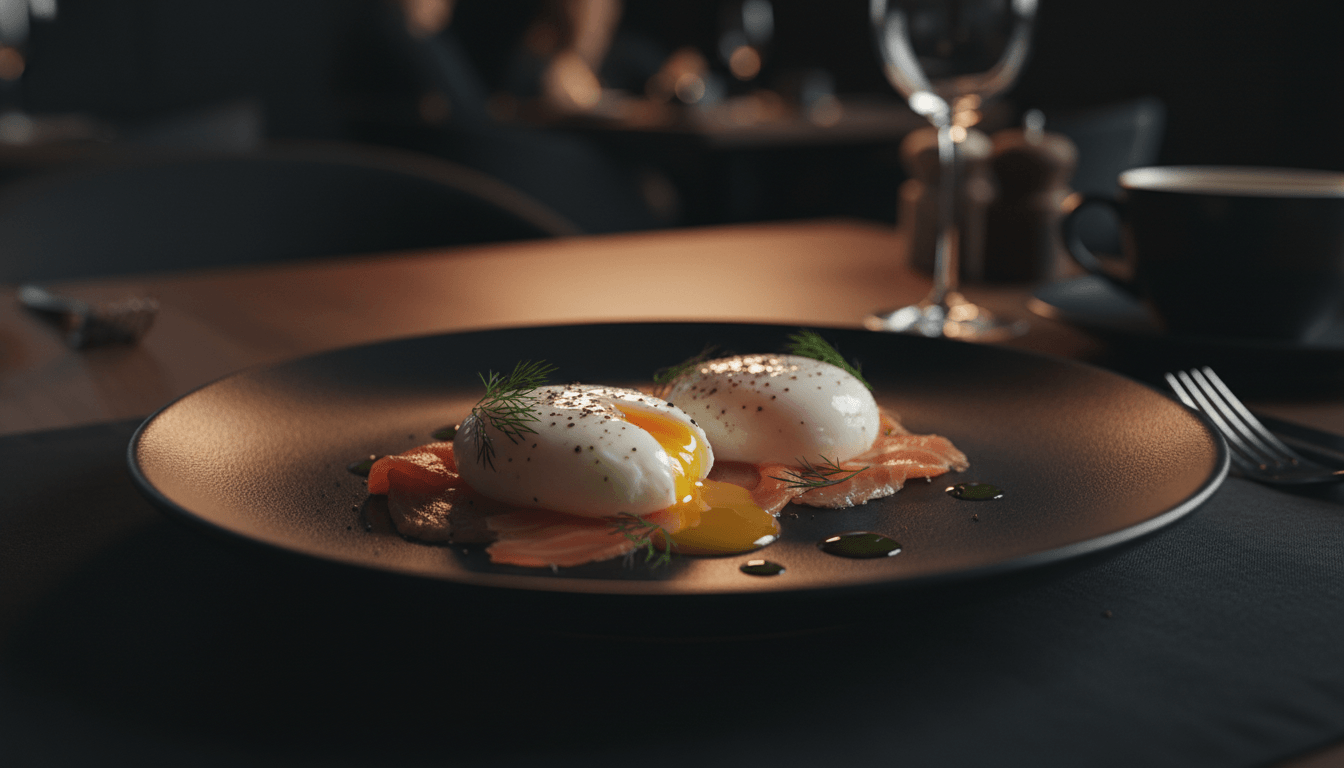
Everyone's heard "eat before you drink." But what does that actually do to your blood alcohol level, and does it make a meaningful difference? The short answer is yes — a well-timed meal can lower your peak BAC by 30 to 50%. The longer answer is that not all food is equally effective, timing matters, and eating after you're already drunk doesn't help at all. Here's what the science says.
Why Food Slows Alcohol Absorption
When you drink on an empty stomach, alcohol passes directly from the stomach into the small intestine, where roughly 80% of absorption happens. It hits your bloodstream fast — peak BAC within 30 to 45 minutes for most people.
Food changes this by slowing gastric emptying — the rate at which your stomach pushes its contents into the small intestine. When food is present, the pyloric valve (the opening between your stomach and small intestine) opens more slowly and less frequently. Alcohol stays in the stomach longer, getting absorbed gradually rather than all at once. The result is a lower, slower BAC peak that's easier for your liver to manage.
Multiple controlled studies support this. A study published in the British Journal of Clinical Pharmacology found that subjects who ate a full meal before drinking reached peak BAC levels 50% lower than those who drank on an empty stomach — even when they consumed identical amounts of alcohol.
The Best Foods for Slowing Absorption
Not all food slows gastric emptying equally. The macronutrient composition matters a lot:
1. Fatty Foods (Most Effective)
Fat is the single most effective macronutrient for slowing gastric emptying. It triggers the release of cholecystokinin, a hormone that signals the digestive system to slow down. Good options include avocado, cheese, nuts, olive oil, fatty fish like salmon, and whole eggs. A pre-drinking snack built around fat — avocado toast, a cheese plate, smoked salmon — does more to blunt your BAC peak than most people realize.
2. Protein
Protein digestion is metabolically demanding and competes with alcohol absorption for resources in the gut. Eggs, chicken, beef, legumes, and Greek yogurt are all solid choices. Protein is somewhat less effective than fat at slowing gastric emptying but still significantly better than eating nothing or eating refined carbs alone.
3. Complex Carbohydrates
Whole grains, brown rice, oats, and pasta slow absorption more than refined carbs like white bread or crackers, which digest quickly and provide little buffering. Complex carbs aren't as powerful as fat or protein, but they add bulk and extend the digestion timeline. The ideal pre-drinking meal combines all three: fat, protein, and complex carbs.
Food Effectiveness Rankings
| Food Type | Examples | Effectiveness |
|---|---|---|
| Fatty foods | Avocado, cheese, salmon, nuts, olive oil | High |
| Protein-rich foods | Eggs, chicken, Greek yogurt, legumes | High |
| Complex carbohydrates | Whole grain bread, oats, brown rice, pasta | Medium |
| Mixed meals (fat + protein + carbs) | Avocado toast with eggs, salmon with rice | Highest |
| Refined carbohydrates | White bread, crackers, pretzels | Low |
| Sugary foods | Candy, pastries, fruit juice | Very low |
Timing Is Everything
The timing of your meal matters as much as what you eat. Eating 30 to 60 minutes before your first drink gives food time to begin slowing gastric emptying before alcohol arrives. A large meal eaten 2 hours before still provides meaningful protection. A small snack eaten right as you're drinking provides some benefit but less than you'd hope.
The worst scenario is drinking on a completely empty stomach, then eating mid-drinking or after. By that point, most of the alcohol has already been absorbed. Food can't pull alcohol back out of your bloodstream — the only thing that eliminates alcohol is your liver, at a fixed rate of roughly 0.015% BAC per hour regardless of what you eat or drink.
What Doesn't Help (And Makes Things Worse)
A few common habits people think protect them actually backfire:
- Salty snacks: Chips, pretzels, and bar nuts make you thirstier, which typically leads to drinking faster and more. They do very little to slow absorption.
- Carbonated mixers: Mixing spirits with soda water, tonic, or sparkling drinks speeds alcohol absorption compared to mixing with still liquids. The carbonation increases gastric pressure and speeds emptying.
- Energy drinks with alcohol: The caffeine masks fatigue, so you feel less drunk than you are. Your BAC is identical — you just don't feel it as strongly, which leads people to drink more.
- Coffee after drinking: Caffeine does not lower BAC. It can make you feel more alert while still legally drunk, which is dangerous if it gives you false confidence to drive.
Hydration: What It Actually Does
Drinking water between alcoholic drinks doesn't lower your BAC — your body processes alcohol at the same fixed rate whether you're hydrated or not. What water does do is slow your drinking pace and help replace the fluids alcohol causes you to lose. This indirectly results in a lower total alcohol intake over an evening, which obviously does affect your BAC. Drinking a glass of water between drinks is a genuinely useful strategy, just not for the reason most people think.
See How Food Changes Your BAC Estimate
Our BAC calculator lets you factor in whether you've eaten before drinking. Get a more accurate estimate of where your blood alcohol level stands right now.
CALCULATE MY BACFrequently Asked Questions
Does eating really lower your BAC?
Yes, but it's more accurate to say eating lowers your peak BAC. Food slows how fast alcohol enters your bloodstream, which reduces the peak blood alcohol concentration you reach. It does not speed up the rate at which your body eliminates alcohol — that process is fixed at roughly 0.015% per hour. Studies consistently show that a full meal before drinking reduces peak BAC by 30–50% compared to drinking on an empty stomach.
What should I eat before drinking for the best effect?
A mixed meal with fat, protein, and complex carbohydrates works best. Specific good choices: avocado toast with eggs, grilled salmon with brown rice, a Greek yogurt and nut bowl, or a substantial cheese plate with whole grain crackers. Eat 30–60 minutes before your first drink. The more food in your stomach when alcohol arrives, the slower and lower your BAC will rise.
Does food help after you've already been drinking?
No. Once alcohol is in your bloodstream, food cannot remove it or speed up how fast your body processes it. Eating after you're already drunk might slow down any additional absorption from drinks you haven't finished yet, but it won't reduce the BAC you've already accumulated. The only thing that lowers BAC is time — your liver processes roughly one standard drink per hour.
Does drinking water lower your BAC?
No. Water does not lower BAC or speed up alcohol metabolism. It helps with hydration — alcohol is a diuretic and causes fluid loss — and drinking water between drinks can slow your overall pace of consumption, which means less total alcohol and therefore a lower BAC over time. But if you've had five drinks, drinking water won't bring that BAC down faster. Time is the only answer.
Why do carbonated mixers make alcohol hit harder?
Carbonated drinks increase pressure in the stomach and speed up gastric emptying — the opposite of what food does. Research shows that mixing spirits with sparkling water or soda results in faster alcohol absorption and a higher peak BAC compared to the same amount of alcohol mixed with a still liquid. If you want to slow absorption, still mixers are better than carbonated ones.