How to Sober Up Fast: Real Science vs. Common Myths
Alex Harmon · Updated June 2026 · Reviewed for accuracy
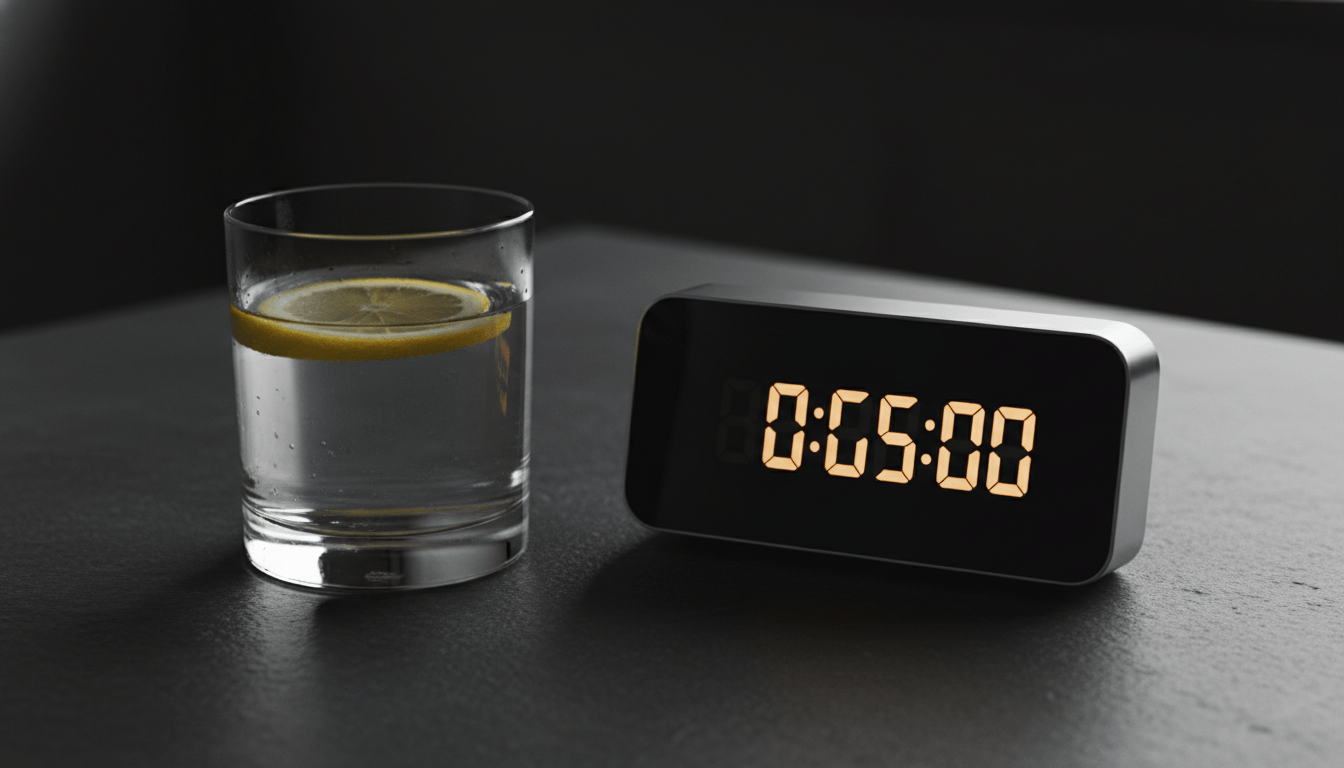
You drank more than you planned, you have somewhere to be, and now you're Googling "how to sober up fast." Here's the honest answer: you can't speed it up. Your liver processes alcohol at a fixed rate of roughly 0.015% BAC per hour, and nothing — not coffee, not a cold shower, not a greasy meal — changes that. What you can do is understand why these myths feel like they work, avoid making things worse, and plan smarter next time.
Why Your Liver Can't Be Rushed
When alcohol enters your bloodstream, your liver is the only organ that actually breaks it down. It does this using an enzyme called alcohol dehydrogenase (ADH), which converts ethanol into acetaldehyde, then into acetate, and finally into water and carbon dioxide. This process runs at a steady pace — about one standard drink per hour for most adults.
That rate is largely genetic. Some people metabolize alcohol slightly faster or slower based on their ADH enzyme variants, liver health, and body composition, but the difference is modest. No supplement, drink, or technique can meaningfully switch your liver into a higher gear. The popular "remedies" don't lower your BAC — they change how impaired you feel, which is actually more dangerous, not less.
The Myths, Explained
Coffee: Wide Awake and Still Drunk
Caffeine is a stimulant. It counteracts some of the sedating effects of alcohol, so you feel more alert and less sleepy. Your BAC, however, is completely unchanged. The problem with coffee as a "sobering" strategy is that it gives you false confidence. You feel sharper, but your reaction time, judgment, and coordination are still impaired. The phrase researchers use for this is being "wide-awake drunk" — and it's genuinely more dangerous than just feeling drunk, because you're more likely to think you're fine to drive.
Cold Showers: An Adrenaline Jolt, Nothing More
A cold shower triggers a stress response — your body releases adrenaline, your heart rate goes up, and you feel more awake. Again, none of this touches your blood alcohol level. Once the initial shock wears off (usually within minutes), the impairment is still there exactly as before. Cold showers are useful for waking yourself up in the morning, not for lowering BAC.
Eating After Drinking: Too Late
This one has a grain of truth, but the timing matters enormously. Eating before or during drinking genuinely helps — food in your stomach slows gastric emptying, which means alcohol is absorbed into your bloodstream more gradually. This can meaningfully lower your peak BAC compared to drinking on an empty stomach.
But eating after you're already drunk does essentially nothing. The alcohol has already been absorbed into your bloodstream. A burger at 2 a.m. might settle your stomach, but it won't bring your BAC down.
Exercise: Negligible at Best
Your body does eliminate a small fraction of alcohol through sweat and breath — roughly 1–2% of what you consumed. Exercise speeds up breathing and perspiration slightly, so in theory it nudges elimination up a tiny amount. In practice, this is too small to matter. If your BAC is 0.10%, exercise might help you clear a fraction of a fraction of a percent faster. You'd need to exercise for hours to notice a meaningful difference, and exercising while significantly impaired carries its own risks.
Sleep: It Works — But Only Because Time Passes
Sleep is the most useful thing on this list, but not for any magical reason. When you're asleep, hours are passing and your liver keeps working. If you sleep for six hours, your BAC drops by roughly 0.09% (6 × 0.015%). The sleep itself doesn't speed up metabolism — time does. The benefit is simply that you're not doing anything risky while your body does what it was going to do anyway.
What Actually Helps
Water and Electrolytes (For How You Feel, Not Your BAC)
Alcohol is a diuretic — it makes you urinate more, which leads to dehydration. Many hangover symptoms (headache, fatigue, dry mouth) are partly caused by dehydration and electrolyte loss, not just the alcohol itself. Drinking water while you drink or before bed won't lower your BAC, but it can significantly reduce how rough you feel the next morning. Electrolyte drinks or tablets help even more if you've been drinking heavily.
Time Is the Only Real Answer
If you stop drinking at midnight with a BAC of 0.09%, here's a rough timeline:
- 1 a.m. — approximately 0.075%
- 2 a.m. — approximately 0.060%
- 4 a.m. — approximately 0.030%
- 6 a.m. — approximately 0.000% (fully cleared)
These numbers assume a consistent elimination rate and no additional drinks. Individual variation means your actual timeline could differ — use the BAC calculator below to get a personalised estimate based on your weight, sex, and what you drank.
Planning Ahead
The only truly effective "sober up fast" strategy is to not put yourself in a position where you need to. That means knowing roughly how much you'll drink before you go out, eating a solid meal beforehand, and arranging a ride home before the evening starts rather than after. It's boring advice, but it's the only kind that works.
Find Out When You'll Be Sober
Enter what you drank and our BAC calculator will show you an estimated timeline to zero — based on the same formula used in forensic settings.
USE THE BAC CALCULATORFrequently Asked Questions
Does coffee help you sober up?
No. Coffee makes you feel more alert, but it has zero effect on your blood alcohol level. Your liver processes alcohol at the same rate regardless of caffeine. The danger is that coffee can make you feel more capable than you actually are — a phenomenon sometimes called "wide-awake drunk."
Does eating food help sober up after drinking?
Eating before or during drinking genuinely helps by slowing how fast alcohol enters your bloodstream. But eating after you're already drunk doesn't lower your BAC — the alcohol has already been absorbed. A post-drinking meal might settle your stomach, but it won't make you sober faster.
How long does it actually take to sober up?
Your liver clears roughly 0.015% BAC per hour. If your BAC is 0.08%, it takes about 5–6 hours to reach zero. If it's 0.15%, expect 10+ hours. Weight, sex, food intake, and genetics all affect this somewhat, but the 0.015% figure is a reliable average for most adults.
Does drinking water sober you up?
No, but it helps in a different way. Water doesn't lower your BAC or accelerate metabolism. What it does is combat dehydration — a major driver of hangover symptoms. Drinking water alongside alcohol or before bed can make you feel significantly better the next morning, even though you'll still be at the same BAC.
Can I drive after sleeping for a few hours after heavy drinking?
Not necessarily. Many people wake up after a night of heavy drinking and are still over the legal limit. If you drank heavily at midnight and woke up at 6 a.m., there's a real chance your BAC is still above 0.08%. Use a BAC calculator or breathalyzer to check, and when in doubt, don't drive.