Keto Diet and False Positive Breathalyzer Tests: What You Need to Know
Alex Harmon · Updated June 2026 · Reviewed for accuracy
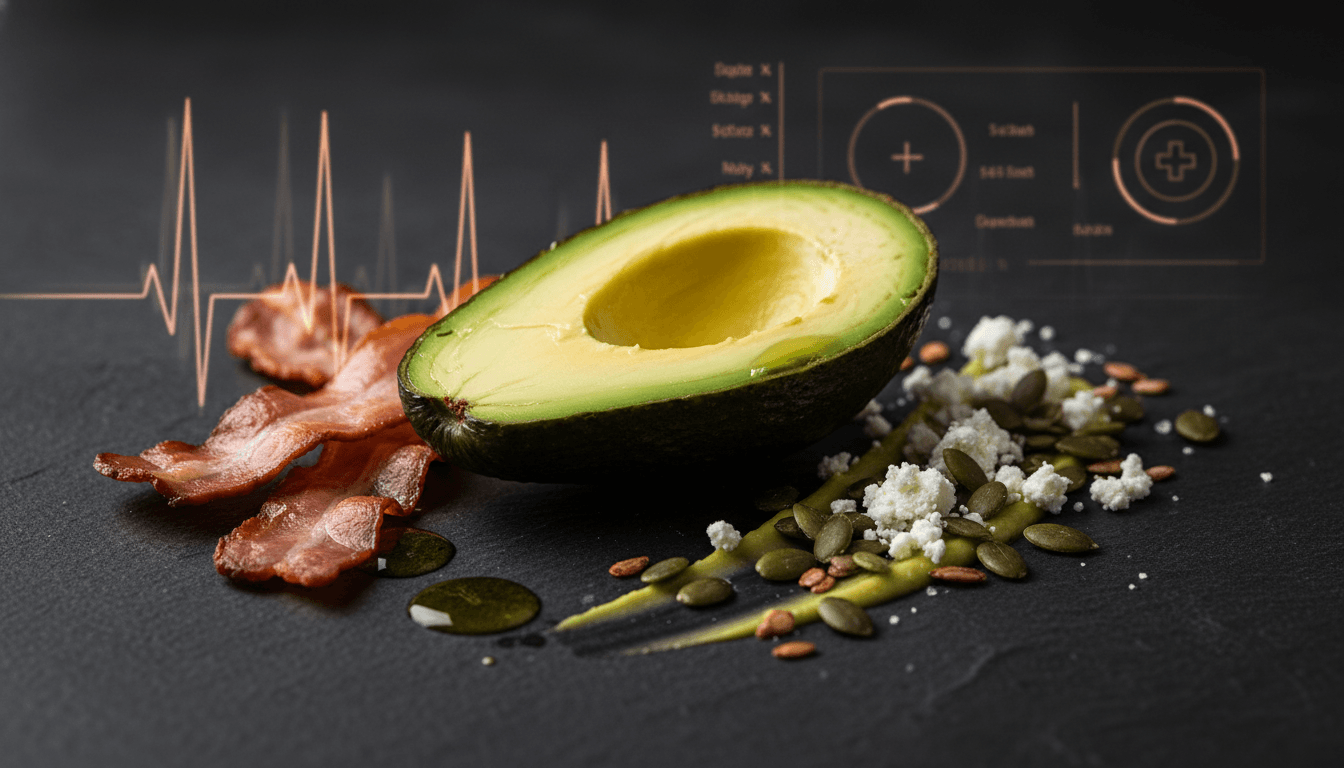
If you follow a ketogenic diet, you may have heard that it can cause a false positive on a breathalyzer. The concern is real, but it is also frequently overstated. Understanding exactly what happens in your body during ketosis — and how modern breathalyzers actually work — helps you separate genuine risk from myth.
What Ketosis Does to Your Breath
When you significantly restrict carbohydrates (typically below 20–50 grams per day), your body runs low on glucose and shifts to burning fat for fuel. This process produces molecules called ketone bodies — primarily beta-hydroxybutyrate, acetoacetate, and acetone. The first two stay in the bloodstream and are used for energy. Acetone, however, is volatile: it is exhaled through your lungs as a gas.
This acetone exhalation is the direct cause of "keto breath" — the distinctive sweet, fruity, or slightly chemical odor that people in deep ketosis often notice. It is also the source of the breathalyzer concern. Because acetone is a chemical compound with some structural similarity to alcohol, certain breathalyzer technologies can misread it.
How Older Breathalyzers Can Be Fooled
The key issue is the type of breathalyzer technology involved. Older semiconductor (metal oxide) breathalyzers detect alcohol through a chemical oxidation reaction on a heated metal surface. The problem is that this reaction is not specific to ethanol. Acetone and other volatile organic compounds can also trigger it, potentially registering as alcohol.
Studies have measured the actual impact. Research published in journals examining forensic breath testing has found that acetone levels from ketosis can register the equivalent of approximately 0.02% to 0.06% BAC on susceptible semiconductor devices. A 2009 study in the Journal of Breath Research found that even in well-established ketosis, acetone concentrations rarely produce readings above 0.02–0.03% on instruments calibrated for modern standards — not enough to exceed the 0.08% legal limit on their own, but potentially enough to be noticed on a screening test, or to push someone who has been drinking toward a higher reading than their actual BAC warrants.
Modern Fuel Cell Breathalyzers Are Far More Accurate
The breathalyzers used by law enforcement in most countries today are fuel cell devices, not semiconductor sensors. Fuel cell breathalyzers detect ethanol through an electrochemical reaction in which ethanol is oxidized at a platinum electrode, generating a measurable electrical current. This reaction is highly specific to ethanol. Acetone and other ketones do not oxidize in the same way and therefore produce little to no response in a properly functioning fuel cell device.
This means the practical risk of a keto diet causing a significant false positive on a modern police breathalyzer is quite low. That said, not all roadside screening devices are fuel cell models. Preliminary roadside tests (the first device an officer uses) are sometimes semiconductor-based, particularly in jurisdictions with older equipment. These preliminary results typically cannot be used as standalone evidence in court — they are used to establish probable cause for a more thorough evidential test.
Other Conditions That Can Cause False Positives
Ketosis is not the only metabolic condition that can affect breathalyzer readings. Several others are worth knowing about:
- Diabetic ketoacidosis (DKA): People with poorly controlled diabetes can produce very high levels of acetone from ketoacidosis — significantly higher than those seen in dietary ketosis. DKA-related acetone levels may be more likely to register on breathalyzers.
- GERD and acid reflux: Regurgitated stomach contents containing alcohol can create mouth alcohol that inflates a reading.
- Hypoglycemia: Low blood sugar causes the liver to produce more ketone bodies, including acetone, which can affect certain breathalyzer types.
- Paint fumes and solvents: Exposure to isopropyl alcohol, acetone-based solvents, or certain industrial chemicals before a test can skew semiconductor breathalyzer results.
- Certain medications: Some asthma inhalers and medications contain compounds that may affect breathalyzer readings on older devices.
The Isopropyl Alcohol Test
Some law enforcement agencies use a secondary test specifically designed to distinguish between isopropyl alcohol and ethyl alcohol (ethanol). Ethanol is the alcohol in alcoholic drinks. Isopropyl alcohol is found in rubbing alcohol and is also a metabolic byproduct related to acetone metabolism. If a suspect's reading seems inconsistent with observed behavior, an agency may run this secondary test. A positive for isopropyl without corresponding ethanol can support an argument that the reading came from metabolic acetone rather than drinking.
What to Do If You Are on Keto and Get Tested
If you are following a ketogenic diet and are subjected to a breathalyzer test, the most important step is to request a blood test. A blood draw measures ethanol concentration directly in your bloodstream and is entirely unaffected by ketone bodies. If your reading comes from acetone rather than ethanol, a blood test will confirm a zero or accurate BAC and provide the evidence needed to challenge an inaccurate breath result.
Do not refuse testing entirely. In most jurisdictions, implied consent laws mean that refusing a chemical test results in automatic license suspension, which is often a worse outcome than cooperating and then challenging the result. Agree to testing, request a blood test specifically, and note that you are on a ketogenic diet for the record.
Track What You've Actually Had to Drink
Our free BAC calculator estimates your blood alcohol level based on what you've consumed — not what a breathalyzer guesses. Useful for understanding the difference between your actual intake and a potentially inaccurate device reading.
USE THE BAC CALCULATORFrequently Asked Questions
Can a keto diet make me fail a breathalyzer?
On a modern fuel cell breathalyzer (the type used by most law enforcement agencies), the risk is very low. Fuel cell devices are specific to ethanol and are not significantly affected by acetone from ketosis. On older semiconductor breathalyzers, ketosis-related acetone can register the equivalent of roughly 0.02–0.06% BAC — below the legal limit on its own, but potentially a concern if combined with any alcohol consumption. The risk is real but often overstated.
What is ketone breath, and is it the same as alcohol breath?
Ketone breath (often called keto breath) is caused by acetone being exhaled through the lungs during ketosis. It smells sweet, fruity, or slightly chemical — distinctly different from the sharp odor of ethanol. Chemically, acetone and ethanol are different compounds. They can both be detected by some breathalyzer technologies, but a trained officer or a proper fuel cell device can distinguish between the two scenarios, especially in combination with other sobriety assessments.
Will a blood test clear me if I get a false positive from ketosis?
Yes. A blood test directly measures ethanol in your bloodstream and is not influenced by ketone bodies. If your breathalyzer reading was caused by acetone from ketosis rather than actual alcohol consumption, a blood test will show a true BAC that contradicts the breathalyzer result. This is the most reliable and legally defensible way to establish that a reading was a false positive.
Does being in deeper ketosis make a false positive more likely?
Deeper ketosis means higher circulating ketone levels and more acetone being exhaled. So in theory, yes — a person in very deep ketosis might produce more acetone than someone just entering ketosis. However, the practical difference on a modern fuel cell breathalyzer remains minimal. The greater concern is with older semiconductor devices or situations where any false positive reading pushes a borderline result over the legal threshold.
Can diabetics get false positive breathalyzer results?
Yes, particularly those experiencing diabetic ketoacidosis (DKA), which can produce very high levels of acetone — significantly higher than dietary ketosis. People with DKA may also have acetone levels that register more meaningfully on some breathalyzer models. As with dietary ketosis, a blood test is the definitive way to establish true BAC and separate metabolic acetone from actual alcohol.
Know Your BAC Before You Drive
Personal breathalyzers give you an accurate reading in seconds. The BACtrack Mobile connects to your phone and uses the same fuel cell technology as law enforcement devices.
CHECK PRICE ON AMAZON →As an Amazon Associate we earn from qualifying purchases.